
Digital Skills Training Manual for Organisations Working in HIV & Viral Hepatitis

This manual developed in the framework of the EU4Health BOOST Project will guide you through the landscape of digital tools and services designed for harm reduction, providing practical insights and strategies to effectively leverage these resources in your outreach efforts. Additionally, a multilingual compendium of relevant digital harm reduction tools will be made available, enabling harm reduction organizations to broaden the reach of their services and facilitate data collection. By leveraging these digital resources, organizations can effectively expand their outreach, engage with diverse communities, and improve the overall impact of their service efforts.

Read the manual here.

New Psychoactive Substances. Studies from Central Asia and China

The global landscape is undergoing profound transformations across various sectors, including economics, politics, and society, and these changes are closely mirrored in the evolving dynamics of the fight against drug related threats. As nations grapple with the complexities of modern governance and social challenges, the issue of narcotics and psychoactive substances has become more intricate, requiring innovative and adaptive strategies. While there has been significant progress in developing new approaches to treatment, rehabilitation, and harm reduction, the battle against these substances continues to demand an evolving and multifaceted response.

In the context of Central Asia and China, the emergence of new psychoactive substances (NPS) has introduced a formidable challenge to existing drug control frameworks. These regions, already vulnerable due to their strategic locations and socio-economic conditions, are witnessing a surge in the production, distribution, and consumption of these substances. The rapid proliferation of NPS, often designed to evade current legal controls, complicates efforts to mitigate their impact. This reality underscores the importance of flexible and dynamic policy responses that can keep pace with the rapidly changing nature of the drug trade.

Read the book in full.

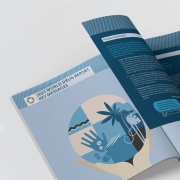
World Drug Report 2024

The emergence of new synthetic opioids and a record supply and demand of other drugs has compounded the impacts of the world drug problem, leading to a rise in drug use disorders and environmental harms, according to the World Drug Report 2024.
Read more

SAMSHA: Treatment for Stimulant Use Disorders (2021)

This Treatment Improvement Protocol (TIP) reviews what is currently known about treating the medical, psychiatric, and SUD-related problems associated with the use of cocaine and methamphetamine (MA) and the misuse of prescribed stimulants (such as those for the treatment of attention defcit hyperactivity disorder [ADHD]). Read more


#ScaleUP initiative

#ScaleUp is a new initiative of the United Nations Office on Drugs and Crime (UNODC). It builds on previous work and publications of UNODC, partner agencies and international researchers, such as the Discussion Paper on “Stimulant Use Disorders: Current Practices and Current Perspectives” (UNODC, 2019). This document calls for the scale up of effective psychosocial treatment, as well as increased research on pharmacological treatment options with a view to increase treatment engagement, treatment retention and effective treatment options for stimulant dependence. Read more

mhGAP Intervention Guide

Mental, neurological and substance use (MNS) disorders are highly prevalent, accounting for a large burden of disease and disability globally. There remains a wide gap between available health systems capacity and resources, what is urgently needed, and what is available to reduce the burden. Nearly 1 in 10 people have a mental health disorder, but only 1% of the global health workforce provides mental health care. MNS disorders interfere, in substantial ways, with the ability of children to learn and the ability of adults to function in families, at work, and in society at large. Read more

WHO Classification of digital interventions, services and applications in health

The WHO Classification of digital interventions, services and applications in health (CDISAH) categorizes the different ways in which digital health interventions used in digital applications and services are used to address individual and health sector needs and advance health goals. Read more

WHO Global Strategy on Digital Health 2020-2025

The purpose for a Global Strategy on Digital Health is to promote healthy lives and wellbeing for everyone, everywhere, at all ages. To deliver its potential, national or regional Digital Health initiatives must be guided by a robust Strategy that integrates financial, organizational, human and technological resources. Read more

Clinical Practice Guideline on the Management of Stimulant Use Disorder

The American Society of Addiction Medicine (ASAM) and the American Academy of Addiction Psychiatry (AAAP) developed this Clinical Practice Guideline on the Management of Stimulant Use Disorder to provide evidence-based strategies and standards of care for the treatment of stimulant use disorders (StUDs), stimulant intoxication, and stimulant withdrawal, as well as secondary and tertiary prevention of harms associated with stimulant use. Read more

World Drug Report 2023

The year 2023 marks the midpoint of the work towards achieving the Sustainable Development Goals (SDGs). The global drug phenomenon continues to challenge both the implementation of SDG targets and efforts to promote peace, security and human rights. Read more